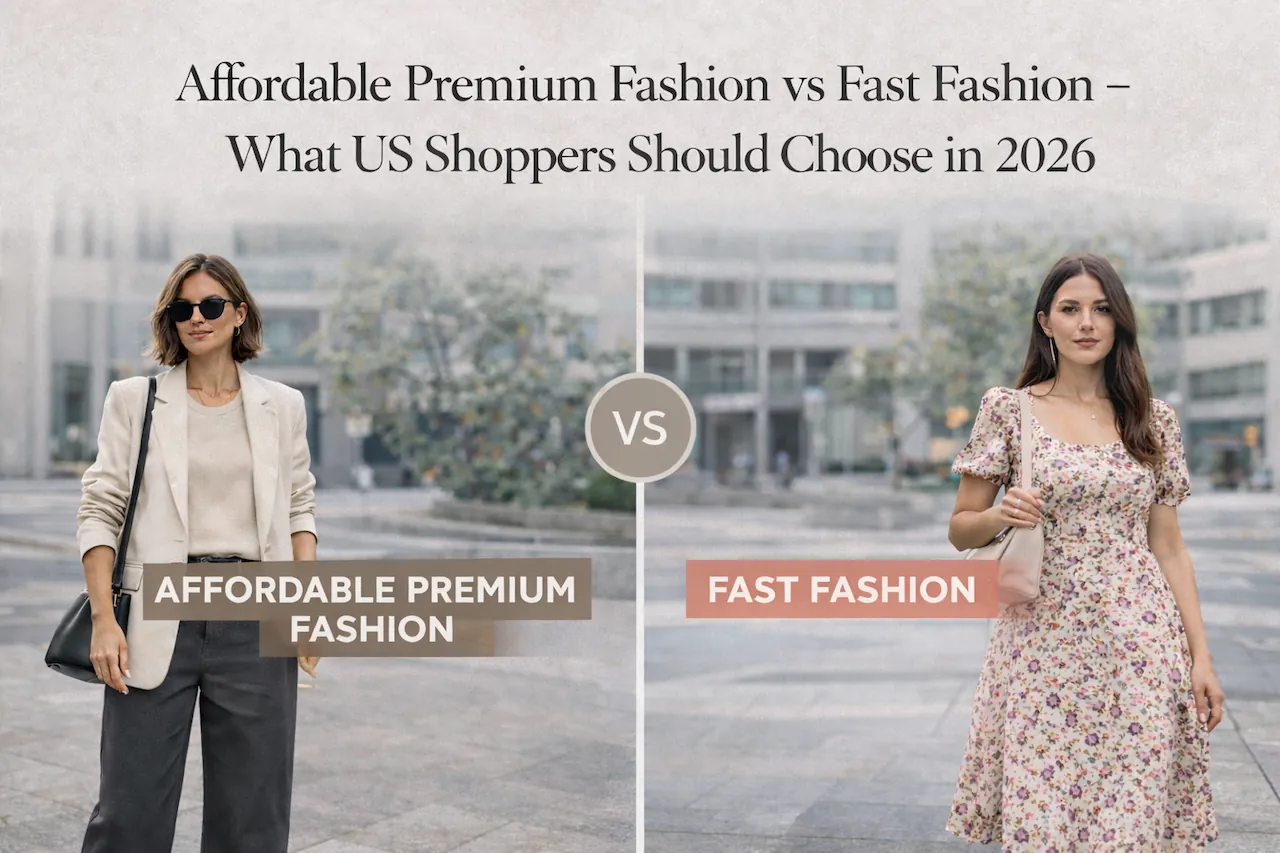
Affordable Premium Fashion vs Fast Fashion – What US Shoppers Should Choose in 2026
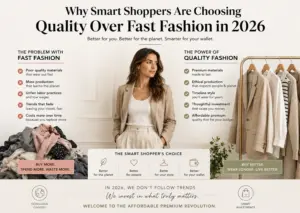
The American fashion market is changing. Over the past decade, fast fashion dominated due to low prices and rapid trend turnover. But in 2026, more US consumers are shifting toward affordable premium fashion — a segment that balances quality, durability, and accessible pricing.
If you’re building a modern wardrobe, understanding the difference between fast fashion and affordable premium clothing can help you make smarter purchasing decisions.
What Is Fast Fashion?
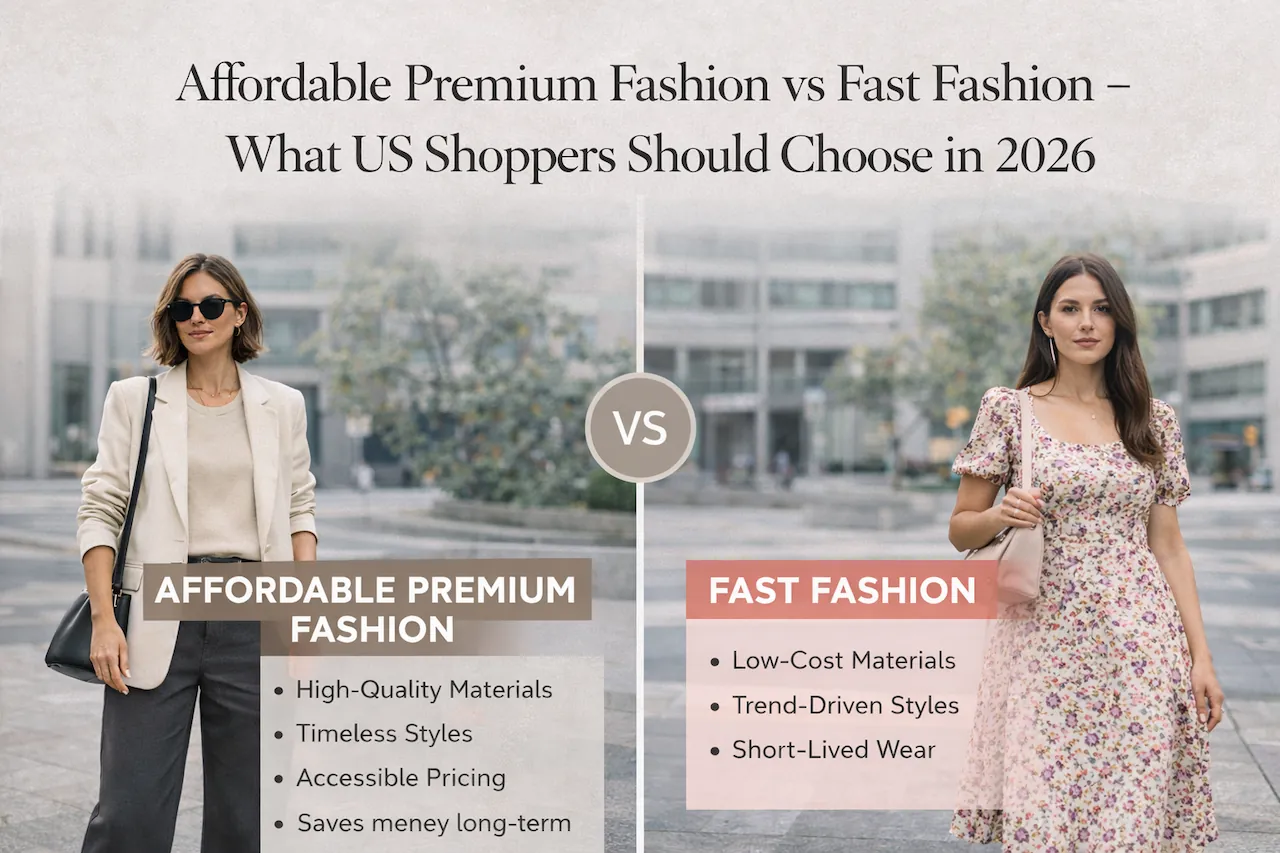
Fast fashion refers to mass-produced clothing designed to replicate trends quickly and inexpensively. These pieces are often:
- Trend-driven
- Made with lower-cost materials
- Produced at high speed
- Designed for short-term wear
While prices may seem attractive, fast fashion typically sacrifices durability and long-term value.
Common issues include:
- Fabric thinning after a few washes
- Color fading
- Loss of shape
- Weak stitching
For many US shoppers, the true cost of fast fashion becomes clear after replacing the same item multiple times.
What Is Affordable Premium Fashion?
Affordable premium fashion sits between luxury brands and mass-market retailers. It focuses on:
- Higher-quality materials
- Thoughtful construction
- Timeless design
- Reasonable pricing
Instead of chasing micro-trends, affordable premium brands prioritize wardrobe essentials that remain relevant across seasons.
This includes:
- Premium cotton t-shirts
- Structured oversized hoodies
- Smart casual essentials
- Minimalist lifestyle sneakers
- Durable everyday handbags
The goal is longevity — both in style and in construction.
Cost Per Wear: The Smart American Consumer Metric
US consumers increasingly evaluate purchases using “cost per wear.”
For example:
A $25 fast fashion hoodie worn 5 times = $5 per wear
A $95 affordable premium hoodie worn 50 times = $1.90 per wear
Over time, affordable premium apparel often becomes more economical.
Sustainability & Conscious Consumption
While not every affordable premium brand markets itself as sustainable, this segment naturally encourages more responsible consumption.
Why?
- Higher durability reduces replacement frequency
- Timeless design avoids trend waste
- Better materials extend garment life
American buyers, especially Millennials and Gen Z, are increasingly moving toward brands that offer long-term wardrobe value.
Quality Differences You Can Feel
When shopping men’s or women’s clothing online, here’s what separates affordable premium from fast fashion:
Fabric Weight
Premium cotton feels denser and softer.
Stitching
Reinforced seams reduce tearing and stretching.
Fit Consistency
Affordable premium brands invest more in pattern development.
Design Approach
Minimalist, versatile pieces outperform overly trend-driven items.
Fast Fashion: When It Makes Sense
Fast fashion may still serve a purpose for:
- One-time event outfits
- Experimental trend testing
- Ultra-budget constraints
However, for daily wear — especially fashion essentials — durability matters more.
Building a Modern US Wardrobe
A balanced wardrobe might include:
- 70% affordable premium essentials
- 20% statement pieces
- 10% trend experiments
Core items such as lifestyle sneakers, oversized t-shirts, smart casual pants, and structured handbags should prioritize quality over trend speed.
Why Affordable Premium Is Growing in the US
Several cultural shifts explain the trend:
- Remote and hybrid work culture
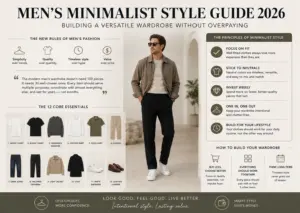
- Minimalist lifestyle movement
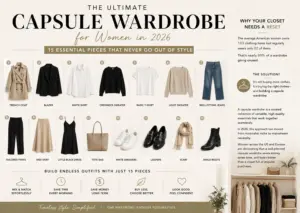
- Capsule wardrobe popularity
- Increased awareness of overconsumption
American shoppers are no longer just buying clothing — they are investing in reliability and identity.
Final Verdict
Fast fashion offers speed and low upfront cost. Affordable premium fashion offers durability, consistency, and long-term value.
In 2026, US consumers are choosing fewer pieces — but better ones.
If you’re building a wardrobe designed for everyday wear, comfort, and versatility, affordable premium fashion is the smarter investment.
Quality doesn’t have to mean luxury pricing. It simply means buying better.



 by
by